

Somanandanath
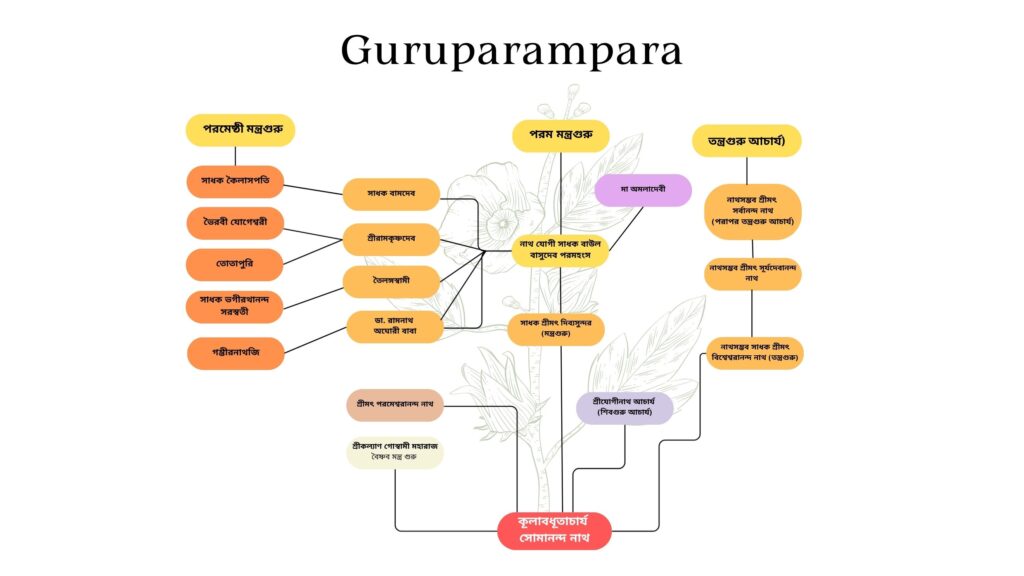
Devi Bagalamukhi
According to the Swatantra Tantra, the origin of Baglamukhi Devi is described briefly: In the Satya Yuga, a devastating cosmic storm arose that threatened to destroy the Earth. Lord Vishnu, the Preserver, became deeply troubled by this calamity and sought refuge in Adi Shakti Mahamaya, praying for the salvation of the world.
Moved by Vishnu’s penance, Tripurambika Devi created a golden-yellow lake. On a Tuesday, during Chaturdashi Tithi (the 14th lunar day), in the dark half of the lunar fortnight (Krishna Paksha), and in the deep of the night known as Veer Ratri, the Goddess manifested herself from the waters while engaged in divine play.
This radiant form, born from the brilliance (Tejas) of Lord Vishnu, became known as Devi Baglamukhi — the golden goddess of power and stillness. The Goddess granted Vishnu the Stambhana Vidya—the sacred power to immobilize and subdue. Through this divine knowledge, Lord Vishnu calmed the violent storm, saving the Earth and all living beings. Thus, Baglamukhi is worshipped as the goddess who pacifies divine wrath and grants both worldly pleasures (Bhoga) and spiritual liberation (Moksha). She is the embodiment of Vishnu’s radiant energy—Vishnu-Tejomayi Devi Baglamukhi.
n the Baglamukhi Tantra, her sacred name carries deep symbolism:
- The syllable “Ba” represents Varuni Devi (the goddess of nectar).
- “Ga” stands for the giver of success (Siddhi-dayini).
- “La” signifies the Earth (Prithvi).
Maa Baglamukhi protects her children from all kinds of enemies—both external worldly foes and the inner enemies of the soul (lust, anger, greed, delusion, pride, and envy). She also shields her devotees from diseases and harmful planetary influences. For those who take true refuge in her, she dispels misfortunes and grants peace, prosperity, and fortune according to their destiny.

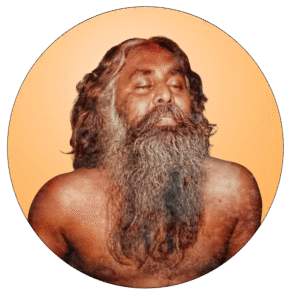
The Life and Legacy of Matri Sadhak Basudeb Paramahamsa
Among the saints of traditional Hinduism, few names shine as uniquely as Matri Sadhak Basudeb. Born on April 2, 1942, in the house of Radhanath Chattopadhyay at Jamalpur, Bihar, his spiritual journey began at the tender age of eight, in 1950, at the Munger cremation ground—a place of deep tapasya and awakening.
After moving to Calcutta, he pursued academics and graduated with honors in Electronics Engineering from Roorkee Engineering College. Yet, worldly achievements did not satisfy his soul. In 1962, drawn by an inner calling, he undertook intense sadhana at Manasarovar on the path to the Himalayas. Two years later, in 1964, by his mother’s command and divine grace, he descended to the plains and received his initiation in miraculous fashion. That same year, while performing austerities at the Swargadwar cremation ground in Puri, Odisha, he was blessed by the grace of three great spiritual masters:
Sri Bamdeb Thakur (Bamakhyapa of Tarapith, Bhairava of Tara)
Mahavatar Sri Ramakrishna Paramahamsa Dev
Sri Trailanga Swami (the living Bhairava of Kashi Dham)
From 1964 to 1972, he wandered in search of the supreme vision of the Divine Mother Bagalamukhi. Eventually, he renounced the world under the guidance of his birth mother, Amala Devi, and embraced Sannyas. His path then led him to Kashi Dham and further into Nepal, where, at Bhatmeswar cremation ground, he studied the profound mysteries of Tantra under the legendary Dr. Ramnath Aghori. As his closest disciple, Basudeb received Aghore Vidya and the deepest esoteric teachings directly from the master’s lap.
Yet, Basudeb was more than a yogi. He was a renaissance saint—a brilliant engineer, a painter, an instrumentalist, lyricist, composer, poet, and singer. His countless songs and poems spread far beyond India, finding admirers across the globe. His works, including Holy Voice of Basudeb, Badri, Bandiveena, Maa, Mahanishar Shmshanne Shmshanne, Mahalaya Ma, Ek Tara, Bamapeeth Tarapeeth and others, are today regarded as spiritual treasures. His mission was clear: to spread Matri Sudha (the nectar of the Divine Mother) through the service of life (Jiva Seva). For him, service itself was worship, and his devotees continue to carry forward this vow both in India and abroad.
In 1992, at the age of 50, Basudeb brought forth a divine gift to the world. He played the celestial melody once heard at Manasarovar on the sacred Rudrabina, a sound so powerful that countless devotees joined in song. Later recorded into sixteen cassettes, this Mahadivya Sangeet was hailed as capable of curing incurable diseases simply by daily listening. His pioneering work in Music Therapy drew international recognition, inspiring research by leading doctors and scientists in Europe and America. Among his disciples, Margaret Mataji of Italy took a leading role in spreading this healing sound to the West.
Throughout his life, Saint Basudeb simplified the path of Mother Worship (Matri Sadhana), teaching his disciples faith and devotion without ostentation. Whether traveling across India or reaching distant lands like Italy, England, and America, he spread the message of Kali, Tara, and Bagala. Sometimes in crowded gatherings, at other times in solitary Himalayan caves, his presence brought the living power of Mahamaya to countless seekers. He established Baglamukhi shrines across India, leaving behind not just places of worship, but sanctuaries of immortal bliss.
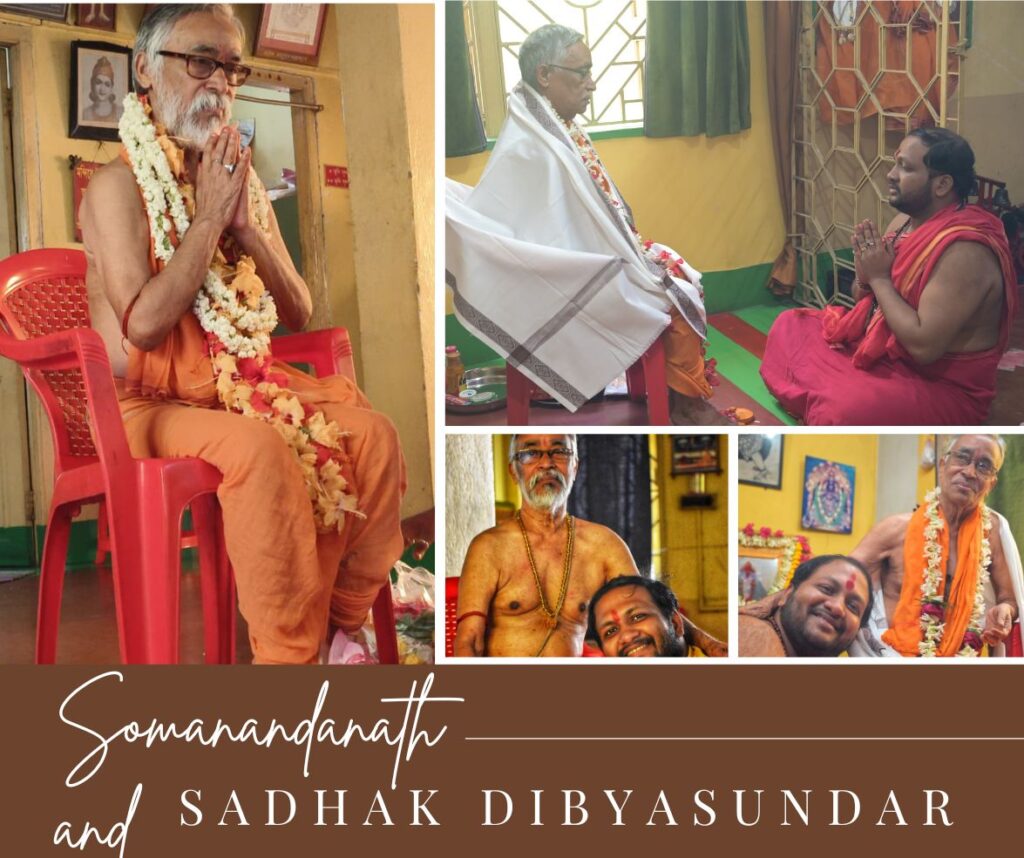
Sadhak Dibyasundar
Dipendranath of Ghoshal Bari, a resident of Baranagar, received initiation on the day of Deepanvita Kali Puja in 1974 by the grace of Baba Basudeb Paramahansa after one year of complete concentration on his work on the orders of Matri Sadhak Vasudev. On that day, Matri Sadhak Basudeb established the image and pot of Mahamaya Bagaladevi in the family of Dibyasundar and then initiated Dipendranath with Matri Mantra. None of the less to say, Baba Basudeb Paramahansa himself painted the portrait of the mother, which is still worshiped in Baranagar. Baba Basudeb Paramhansa stayed in Baranagar for a long time and after a certain period, Baba went out to spread Matri name.
Baba Basudeb himself taught Dipendranath with all aspects of tantra including worship of Bagaladevi, Homakriya. At the right time he named him Divyasundar, since then he is known as Sadhak Divyasunder. He was beloved by Matrai Sadhak Baba Basudeb Paramhansa and devoted himself to Guruseva till his last days.
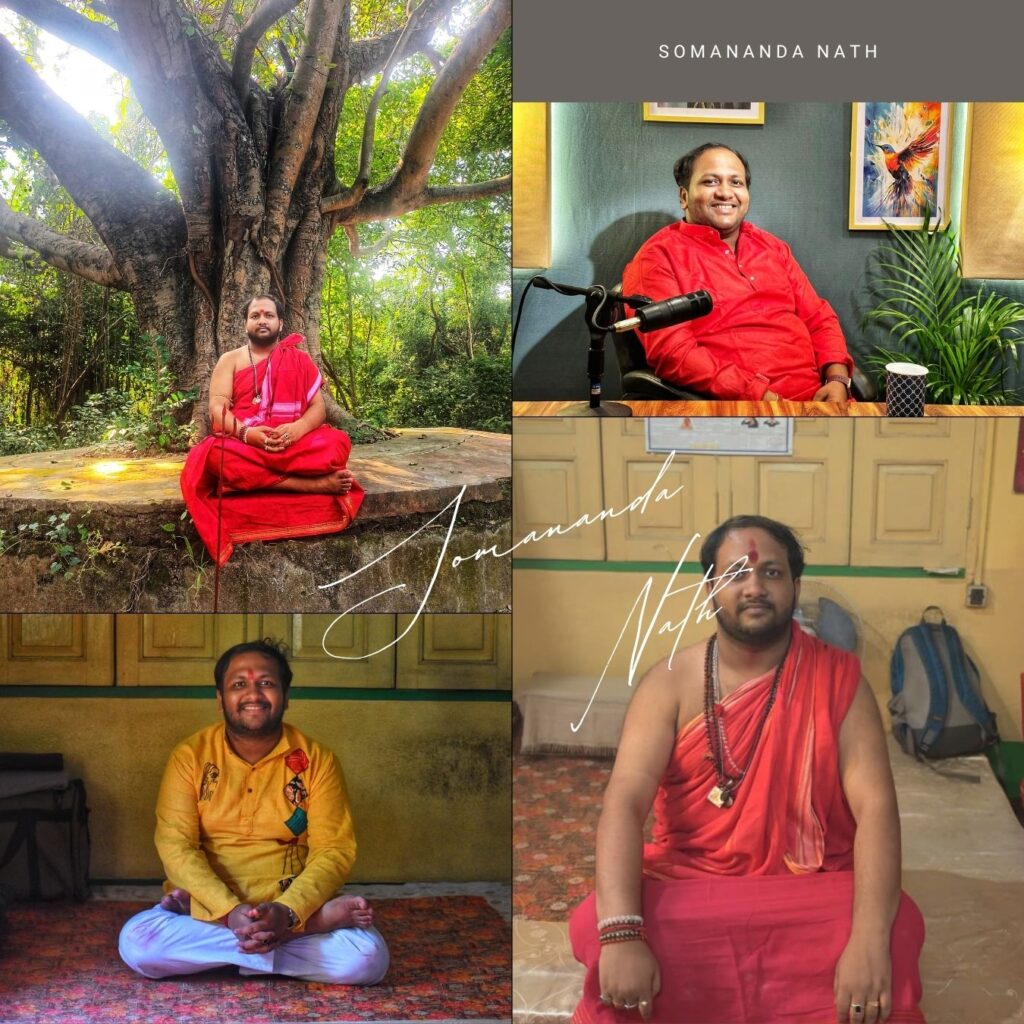
Sri Somananda Nath
He was born in the Savarna Roy Chowdhury family in South Kolkata on the Chaturdashi of the Krishna Paksha month of Agrahayana. As most of the people in the family belong to the spiritual world, this trend is strong in him since childhood. Because many sages including Sri Vedagarbha, Sripad Ishwarpuri, Kamdev Brahmachari, Swami Yogananda, Saint Ramakrishna, Shanticandra were born in his lineage. The goddesses of his family are Kali of Kalighat and the house goddesses are Ma Chandi and Ishta Devi Mahamaya Baglamukhi. From his childhood, he used to spend his time in puja lessons along with his studies, one after another he would sing Shyama Sangeet and many people would gather to listen to it. Born in a royal aristocratic Brahmin family, he received the Shiva mantra from Saint Amarnath only after Upanayana. Later on the goddess gets Bagla as Ishta Devi and continues the sadhana. Along with traveling to one after another pilgrimage, he accompanied many saints. Devi Baglamukhi began to learn various pujas of multiple Mahavidyas with the company of two sadhaks, one being Sadhak Divyasundar and Sadhika Maa Mukta. In addition to concentrating on work, one by one Matri started to record music, spiritual realizations, which are now known as a unique material to the devotee disciple. In addition to studies, in the world of music, Jatileswar Mukhopadhyay, Acharya Jayant Sarkar, composer Suprakash Chaki, Pandit Chinmoy Lahiri, Acharya Jayant Basu, etc. got close to Dhikpal artistes. At the same time, he has become proficient in Gurmukhi Vidya in his life of Sadhana. To fulfill the wishes of Paramguru Matri Sadhak Vasudev, he built Baglamukhi Matri Mission on a short scale, he believes that this Matri Mission will take the form of a banyan tree for the benefit of the devotees in the future.