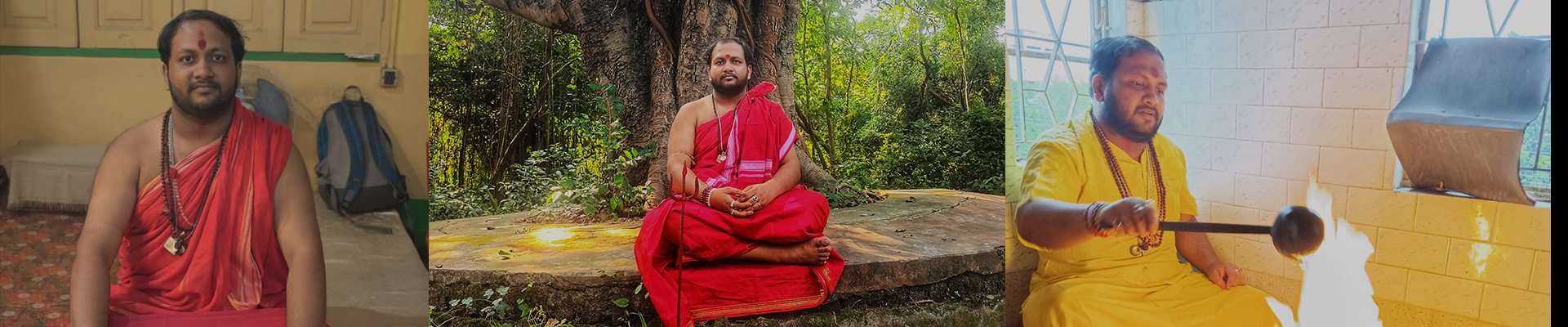
A Brief Introduction to Somananda Nath
(By Arjunananda Nath, disciple – Bagalamukhi Matri Mission)
“ত্বং দেবী জগন্মাতো জগদানন্দ দয়াময়ী
রক্ষো মাং সর্ব্বদা প্রসীদ পরমেশ্বরী।
দোহাই মা চণ্ডী, দোহাই মা চণ্ডী, দোহাই মা চণ্ডী।”
Somananda Nath, born Shubhadip Ray Chaudhuri, hails from the illustrious and ancient Sabarna Ray Chaudhuri family of Kolkata — a lineage steeped in tradition, learning, and devotion. He belongs to the sacred branch of Jagat Chandra Ray Chaudhuri, the founder of the famed Chandi Bari — a household where the worship of the Divine Mother has flourished for centuries. Legend tells that one of his ancestors, Mahesh Chandra Ray Chaudhuri, was a great devotee of the Goddess Maheshwari Chandi, from the same lineage as Shibdev (Santosh Ray Chaudhuri), the founder of the Kalighat Kali Temple.
One day, near their ancestral pond, Mahesh Chandra discovered a sacred vessel made of ashtadhatu (eight metals). Guided by a divine vision, he enshrined it as commanded by the Goddess herself. That very pond is now known as Chandi Pukur. The ancient vessel is still worshipped — draped in a Banarasi saree, adorned with vermilion-marked coconuts, silver eyes, golden nose-rings, and a crown.
Though the Goddess is worshipped year-round in the family home, the grand festival takes place during the bright fortnight (Shukla Paksha) of the month of Agrahayan, on Ashtami, Navami, and Dashami. The occasion draws thousands, turning the ancestral grounds into a vibrant fair of devotion.
It is said that shortly after cutting down an ancient banyan tree to construct the Chandi temple, Mahesh Chandra passed away — a sign of divine fulfillment of destiny. His son, Harish Chandra Ray Chaudhuri, completed the sacred task. In earlier times, animal sacrifice was part of the ritual — but the present heir, Nandadulal Ray Chaudhuri, discontinued the practice, replacing it with offerings of devotion and compassion. The Ray Chaudhuri family has long been rooted in Tantric worship. Subhadip’s grandfather, Shanti Chandra Ray Chaudhuri, was a revered practitioner of Tantra and a devotee of Maa Chandi, with disciples across India. Their Kuladevi (family deity) is none other than Dakshina Kali of Kalighat. From childhood, Shubhadip was drawn to the Mother’s energy — singing Her hymns, visiting temples, and engaging in spiritual discipline.
During his school years at Ballygunge Government High School, he underwent his sacred Upanayan Sanskar (thread ceremony). Around that time, he met a saint named Yoginath Prabhu, who initiated him into the Shiva Mantra and foretold that his Mantra Guru would soon appear in his life.
By the time he completed his secondary education, Shubhadip was initiated into his Ishta Mantra, marking the beginning of his spiritual journey. His mother, Dalia Ray Chaudhuri, was a devout worshipper of Mahamaya Bagala Devi and inspired him to follow the path of Tantra.
During his higher secondary studies, he met the great Kulavadhutacharya Sri Sri Bishweshwarananda Nath, who introduced him to advanced Tantric disciplines — including smashan sadhana (cremation-ground practices) and chita sadhana (meditation amidst the fires). It was he who gave Subhadip his spiritual name — Somananda Nath. Yet, even as he delved into Tantra, his heart longed for the holy feet of Sadhak Basudev Paramhansa.
During his college years at Scottish Church College, he would often leave lectures to meditate at the Kalighat Mahashmashan, spending hours in deep japa.
Whenever he had time, he would visit the ancestral home of Swami Vivekananda, praying in its Shiva temple — feeling a connection to the same spiritual current that shaped Bengal’s mystics.
Even after reaching advanced stages of Tantric realization, Somananda never stopped seeking Sadhak Basudev. Knowing that Basudev Paramhansa had spent his final years in Kankulia, and earlier lived in Mukherjee Para, Dhakuria, Somananda would wander through these regions, searching for his Guru’s spiritual traces. He visited Kashimitra Cremation Ground, where Basudev had performed his Panchamundi Sadhana (meditation upon five skulls). Through his journey, he met many devotees of Basudev Paramhansa — and from that time on, his quest to find his Guru became the central thread of his life.
Even today, wherever he travels, his first prayer to the Divine Mother remains the same:
“O Mahamaya, help me find my Basudev Baba — and once I do, I will never trouble you again.”
He often reminds his disciples:
“First hold the feet of your Guru — only he can help you reach the Mother.”
Speaking of his Guru, I must admit — words fall short.
To have a Guru like Somananda Nath is a matter of divine grace.
Today, devotees of Basudev Baba from all over India express reverence and gratitude toward him — and for me, that is the highest blessing of my life.
He often says with humility:
“I am like the moon; I have no light of my own. My Guru is the Sun — I shine only through His radiance.”
When disciples suffer, he consoles them with deep compassion:
“When you find no shelter anywhere, come to this Baba. Beneath the banyan tree planted by my Guru, there will always be space for you.”
There have been many times when, seeing his disciples hungry, he personally fed them like a mother — with tenderness and love.
He once told us,
“Even if you give me a million rupees, you cannot complete me — for I am already fulfilled by my Guru’s blessings. All I seek is your love.”
People often come to him, pleading,
“Baba, please grant me a place at your feet!”
He listens patiently, never showing fatigue, speaking to devotees for hours, hearing their pains, comforting their hearts — with an endless well of compassion.
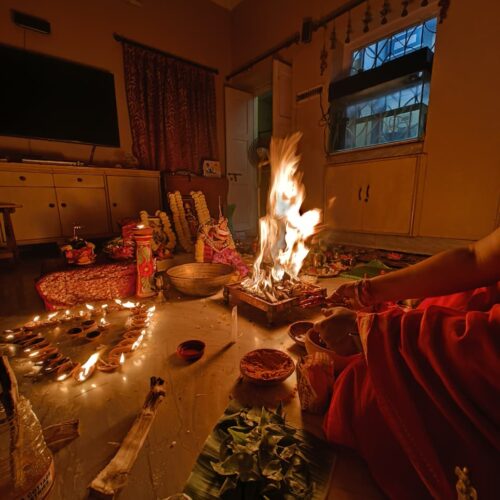
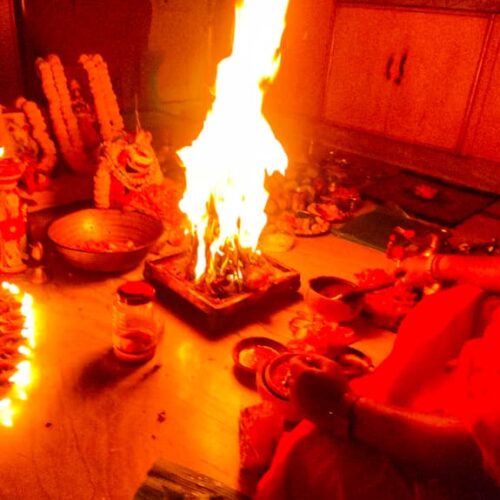
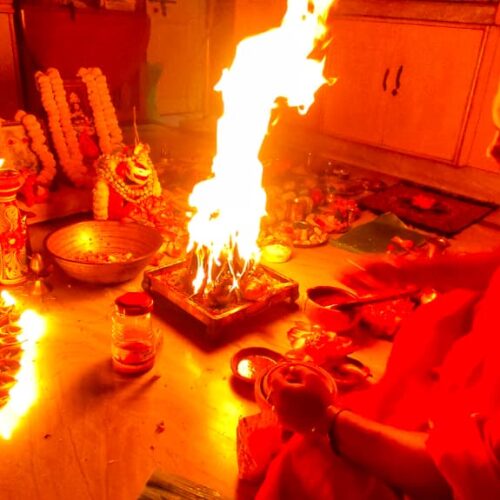
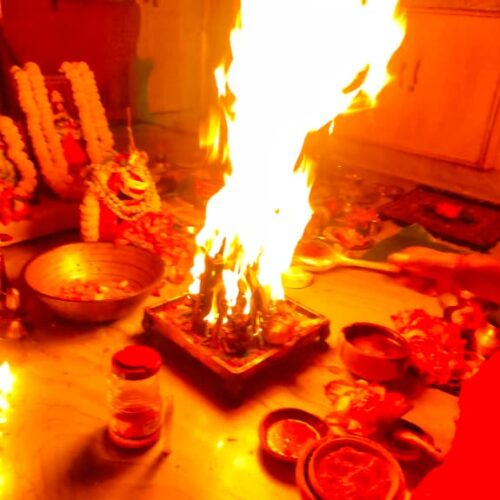
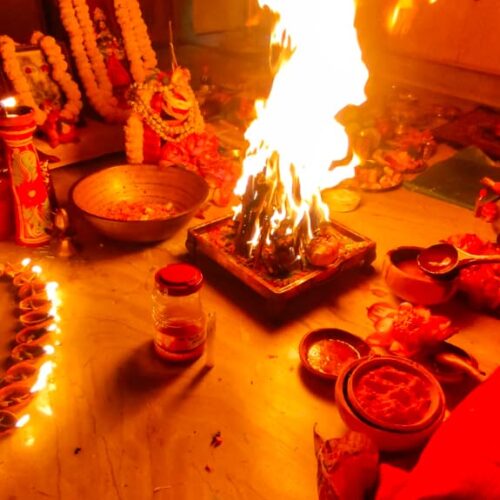
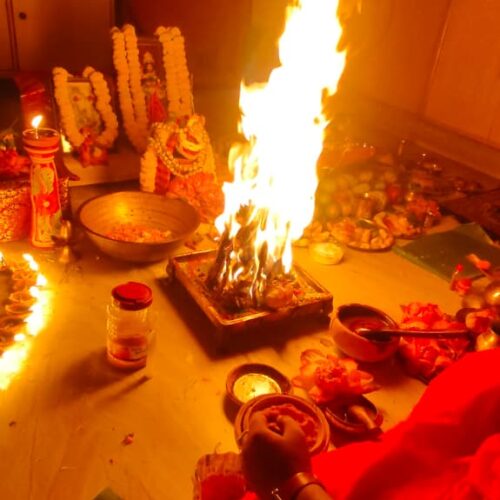
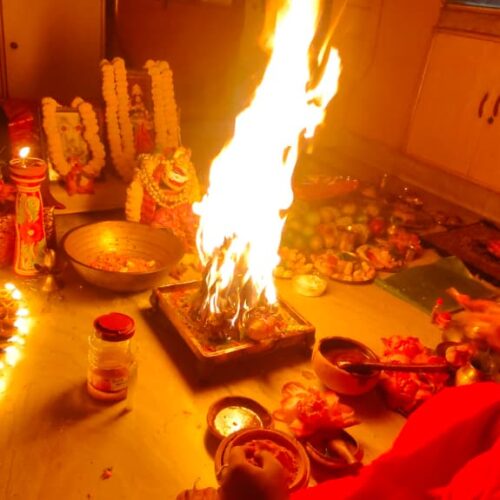
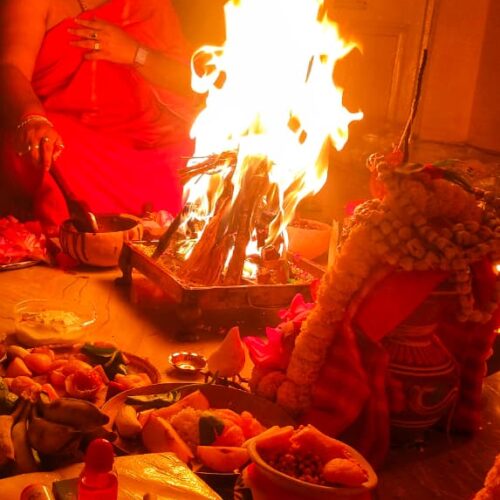
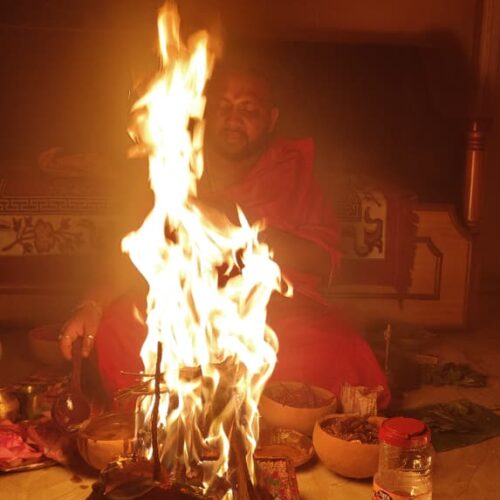
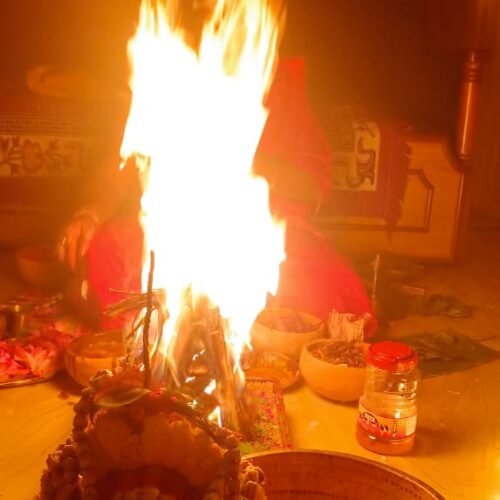
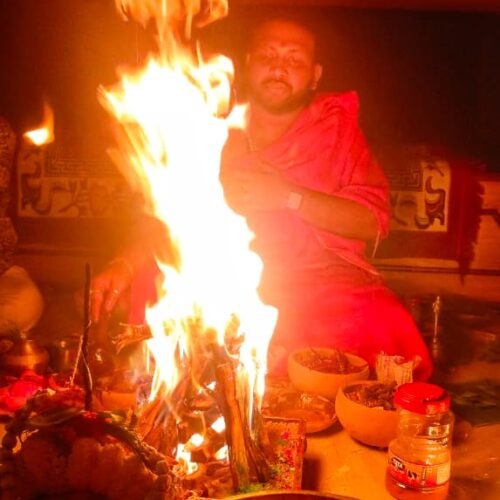
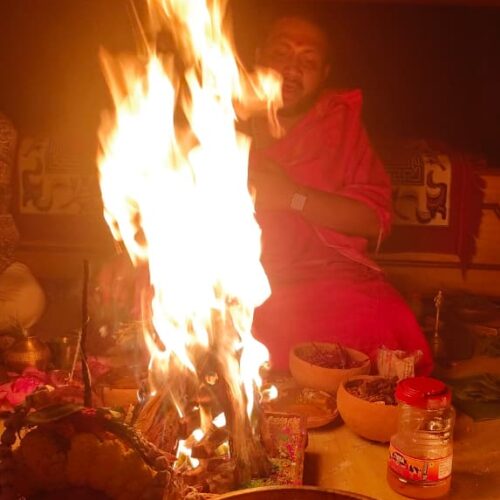
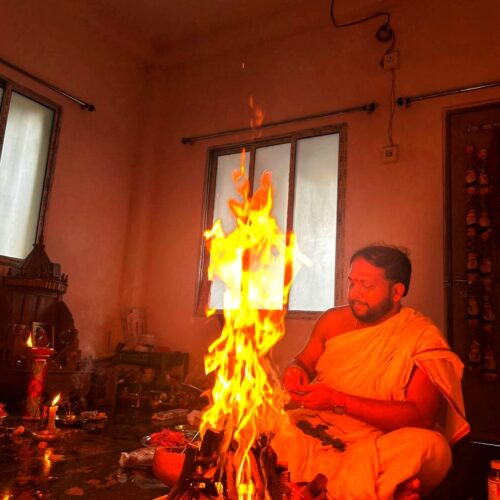
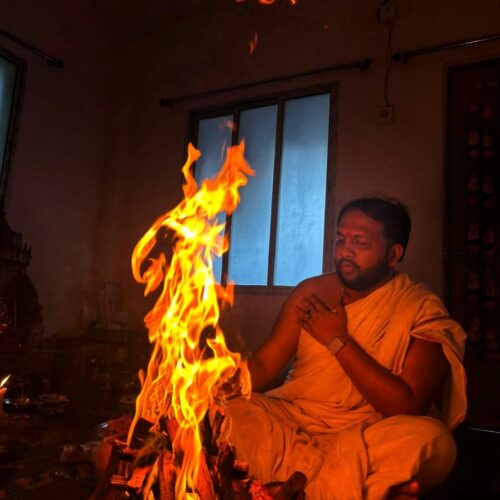
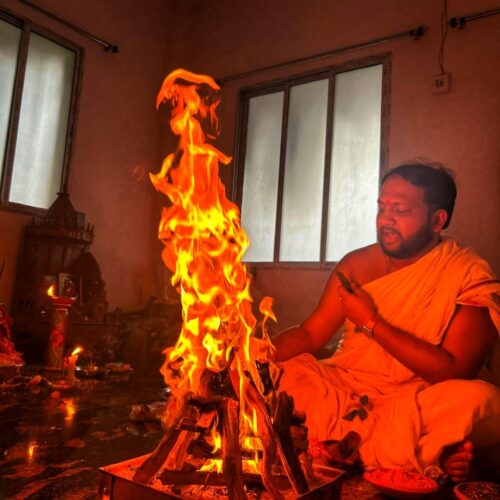
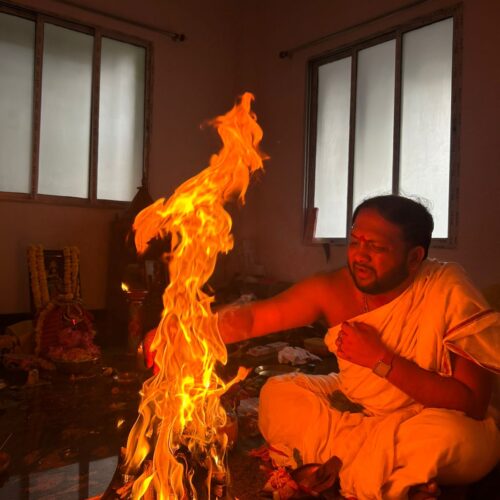
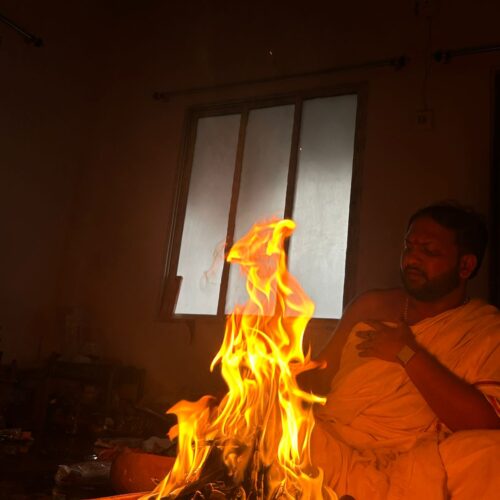
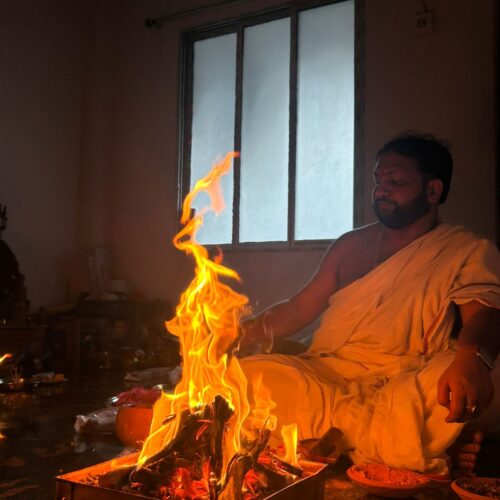
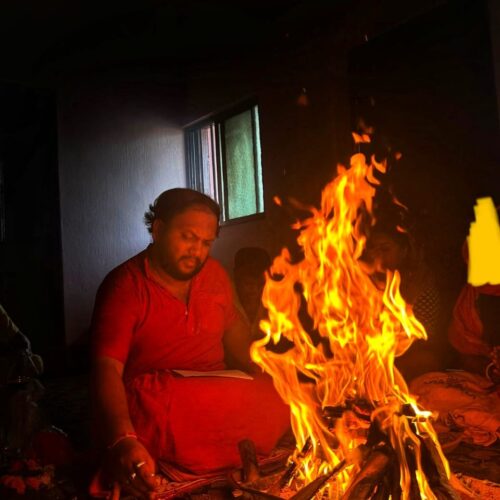
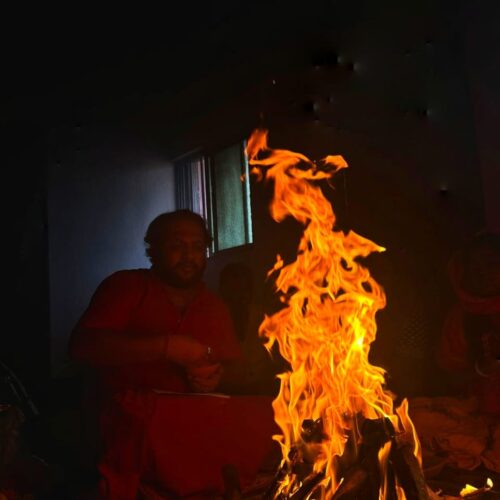
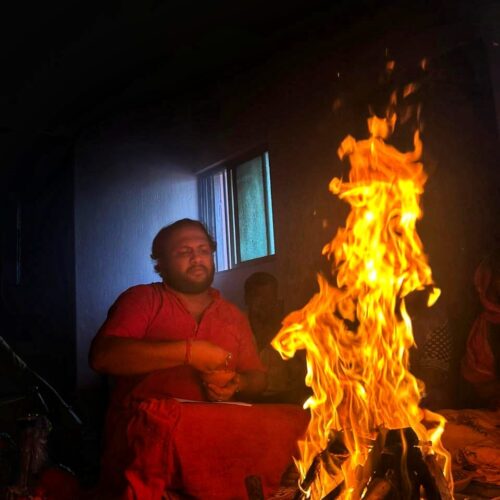
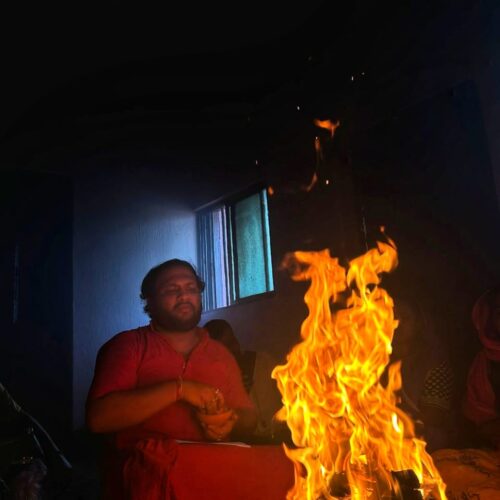
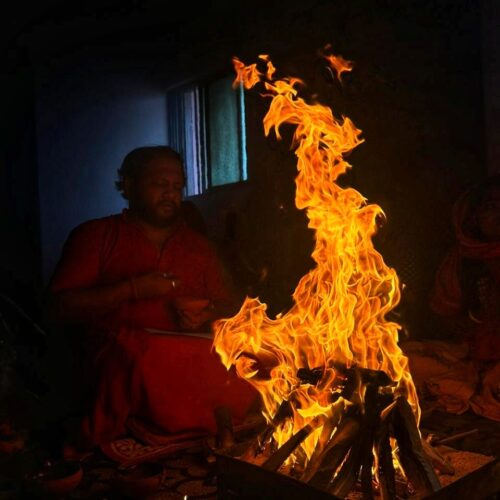
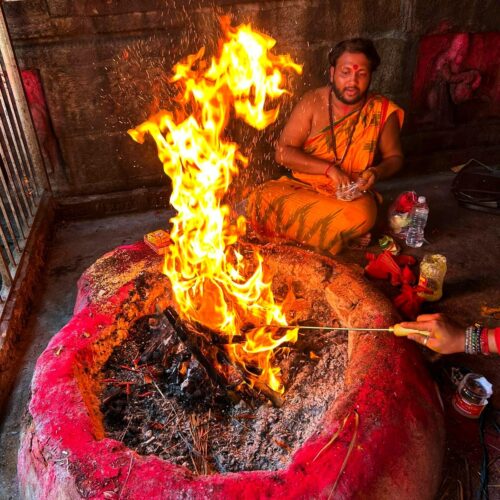
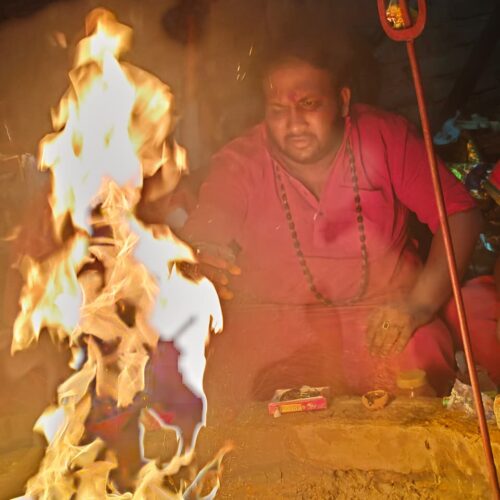
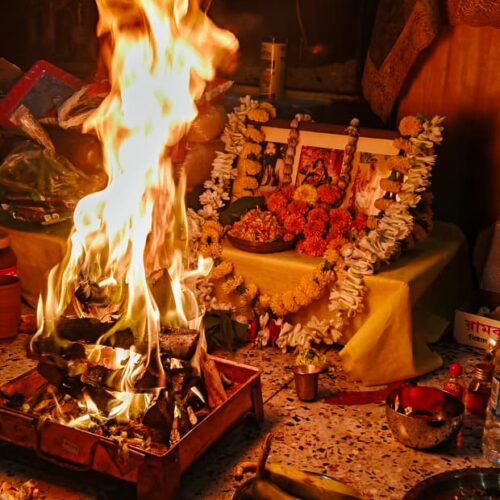
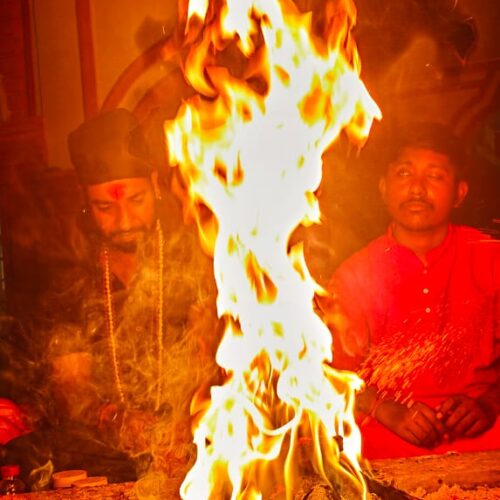
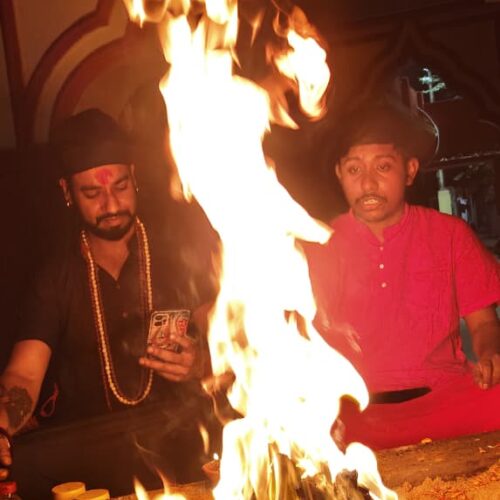
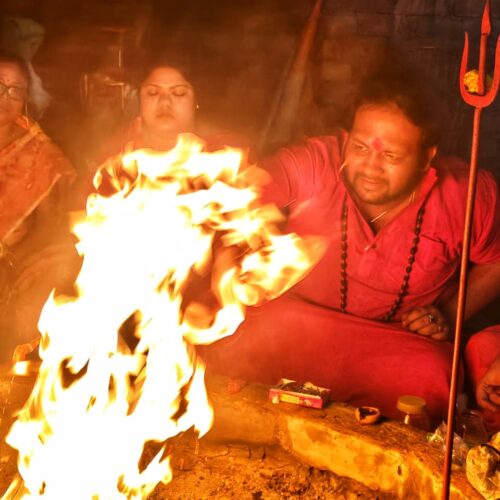
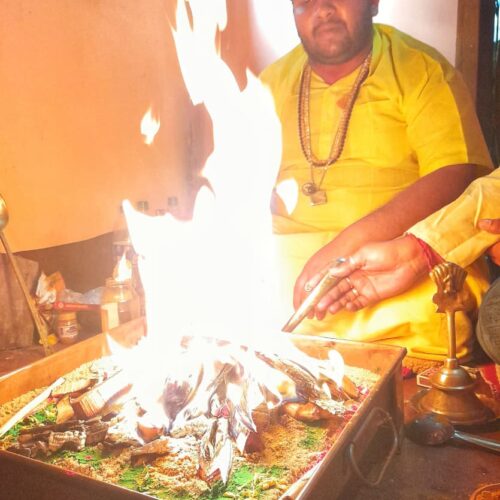
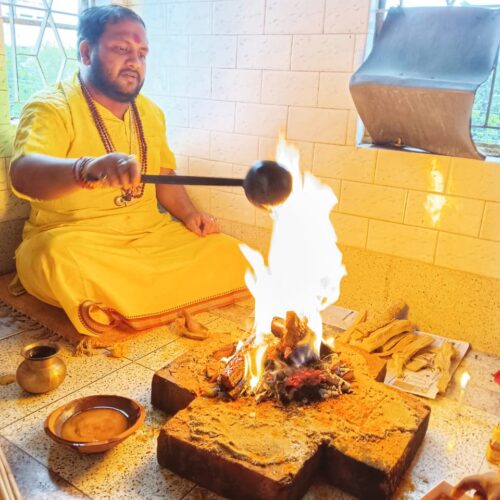
Once, at the Kankalitala Shakti Peetha, I saw him perform homa (fire sacrifice).
As he chanted, the Bhairavas of the temple seemed to gather around him — as if Lord Shiva’s companions were guarding their own.
After hours of intense ritual, when we expressed concern, he simply smiled and said,
“My child, everyone is given something by God. I was given the chance to serve my Guru’s lotus feet. And when my Guru tells me to stop — I shall.”
Through him, we have come to understand what a true Guru really is.
When criticized, he remains silent; when praised, he weeps — saying,
“It is all the grace of Basudev Paramhansa. May your own Guru bless you as mine has blessed me.”
Jai Maa.